
Oracy | Instructional Design
SIGNACY | Literacy | ORACY Classroom Organization and Time Management Teachers need to build a productive learning community by preparing engaging lipreading/listening activities and allocating instructional time for students to feel confident and motivated to learn lipreading/listening skills. Assessments for Instruction Regularly assessing students’ lipreading/listening skills and offering feedback guides both students and teachers in […]
Signacy | Instructional Design
SIGNACY | Literacy | ORACY Classroom Organization and Time Management Teachers need to build a productive learning community by preparing engaging viewing activities and allocating instructional time for students to feel confident and motivated to learn viewing skills. Assessments for Instruction Regularly assessing students’ viewing skills and offering feedback guides both students and teachers in […]
Signacy | Experience
SIGNACY | Literacy | ORACY Structures and Genres Analyzing fiction and nonfiction sign productions enhances students’ grasp of purpose, audience, and message. Teachers need to offer authentic signing opportunities and instruction. Comprehension Strategies Students must recognize and address gaps in understanding when viewing sign language, using problem-solving skills. Teachers need to model and encourage effective […]
Signacy | Foundation Skills
SIGNACY | Literacy | ORACY Concepts of Sign Explicitly demonstrating sign language features, such as sign production, classifier use and explaining organization of signs, is vital for language and literacy introduction. Kinesic Awareness Students need to be taught that the words they view and fingerread can be broken into parts based on movement and patterns. […]
Signacy | Whole Child
SIGNACY | Literacy | ORACY Motivation for Language Learning Interactive viewing exercises, such as immersive storytelling, and engaging viewing games highlight the value and joy of signed communication. Language Use Interactive reading activities, such as book clubs, author visits, reading challenges, storytelling sessions, and interactive book-themed games, highlight the value and joy of reading. Knowledge […]
Children Who Are Deaf-Blind
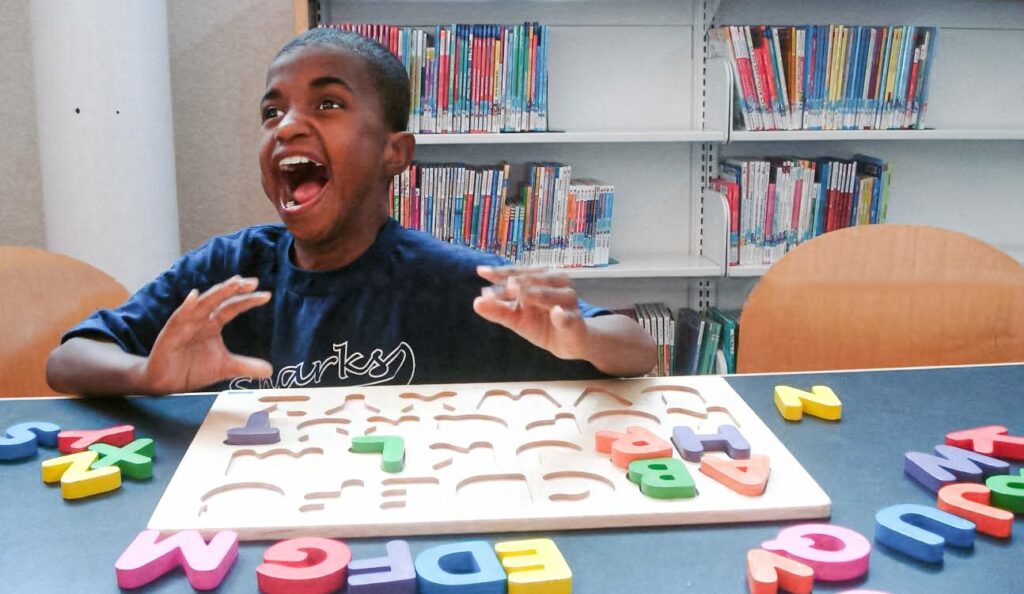
This article focuses on the importance of deaf-blind training and support access for families and educators. It includes the classification of vision and hearing loss, the types of additional disabilities that may be present, and the causes of deaf-blindness.
The Implications of Bimodal Bilingual Approaches for Children with Cochlear Implants
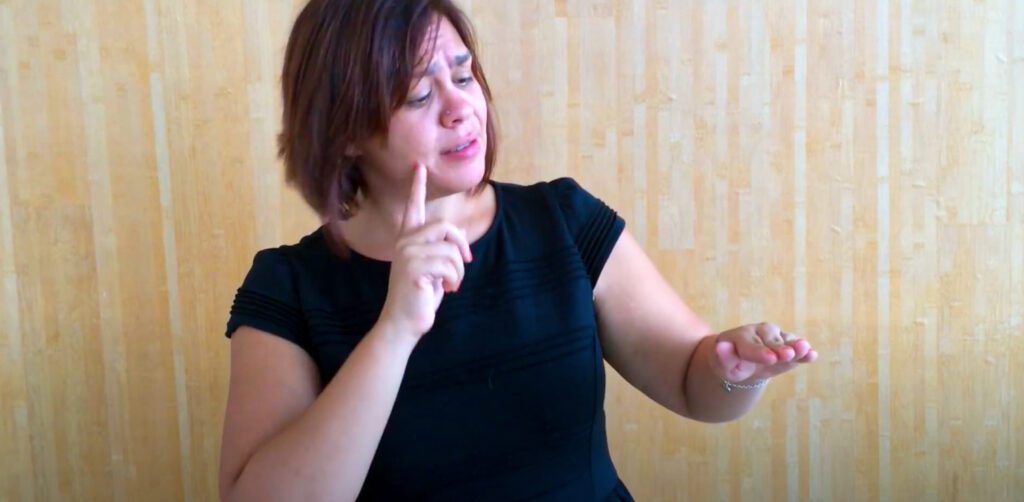
This research brief discusses the advantages of providing bilingual access to children with cochlear implants. It was written by Julie Mitchiner, Debra Berlin Nussbaum, and Susanne Scott, and in collaboration with the Clerc Center at Gallaudet University.
Individualizing Deaf Education Services: More Important Than Ever Before

This webcast provides an evidence-based rationale for supporting language acquisition in both American Sign Language (ASL) and spoken English for young…
Educational Planning for Students with Cochlear Implants

This video shows a day in the life of third graders at the California School for the Deaf. Watch how they interact in the classroom, at lunchtime, and during recess.
Deaf Role Models Making a Critical Difference in New Mexico

In this article, Stacy Abrams and Rosemary Gallegos explain the importance of deaf role models and the positive impact they have on families with deaf or hard of hearing…
